Featured
Table of Contents
This might consist of a LinkedIn post from your CEO sharing the vision, a TikTok video revealing somebody actually using the item, a podcast interview exploring the "why" behind the launch, or made media protection in market trades. People get details from all sort of channels now like. When your message travels throughout those channels in a linked method, it reaches individuals numerous times in different contexts.
When people see your narrative from several angles, Start by specifying your narrative core initially: Then, build a master project short around this core, then adapt it for each platform. LinkedIn gets thought leadership insights, TikTok gets visual storytelling, podcasts get extensive conversations, and press gets relevant hooks. PRLab's expert-tip: Consistency doesn't indicate repeating.
How AEO Is Reshaping Digital SearchLook for patterns where one platform drives awareness or traffic to another, then enhance those connections for optimal effect. See how top brands turn one story into platform-specific content that actually works. Substack and independent newsletters have actually ended up being Newsletter writers run with various editorial approaches.
When you provide something worth sharing, you reach You get direct access to high-intent readers who rely on the writer's viewpoint and pay to subscribe. If you provide unique content, original insights, or highly appropriate stories, they'll cover it in more depth. This is particularly Develop your newsletter media technique with these practical actions: Usage tools like SparkToro or LinkedIn search to see what market leaders follow and share.
Offer their readers can't find somewhere else. Register for their content (paid if possible), engage attentively with their work, and PRLab's expert-tip: Newsletter writers have creative flexibility that complements standard journalism. They can go deep on topics, publish by themselves schedule, and explore formats like case research studies, information visualizations, or continuous series.
Protecting Digital Reputation in the Era of AEO
The more aligned your pitch is to their format and audience, the better your chances of earning meaningful protection. Brands now count on podcasts, livestreams, and short-form videos to share messages with immediacy and authenticity., and as part of their strategy. PR teams are now thinking like PR groups can't treat video and audio as optional any longer.
This needs new skills: Showing up in the formats your audience chooses helps you keep both reach and significance. Create quick-turn videos for statements and believed leadership using tools like Descript or CapCut. You can pitch podcast looks as earned media already, train spokespeople on camera existence, lighting, and conversational shipment so they can represent your brand confidently throughout any format.
Audiences will endure typical visuals but stop listening if audio is bad, so focus on clarity. Develop a consistent sonic brand name identity: use the very same intro music, audio signatures, or voice patterns across your content so audiences recognize your brand immediately. Don't forget captions and records to make content available, searchable, and consumable in any context.
Protecting Corporate Reputation in the Age of AI
PR groups are constructing programs to assist them share their point of views through social media, conferences, and industry occasions. A post from your item supervisor about what they're developing Your employees are already speaking about your brand, andEmployee advocacy produces engagement and trustworthiness that corporate channels can't easily replicate. It assists your When someone looks up your company, they often inspect what employees say on LinkedIn or Glassdoor before thinking official declarations.
Give them easy standards, a material library, and tools like Bambu, GaggleAMP, or LinkedIn Raise to make sharing easy. Function employee voices in item launches, media pitches, and culture content. Their genuine point of views construct trust in ways press releases can't. Use staff member feedback to make certain what's shared openly matches what they experience inside the business.
Think about it in three levels. Level 1 is easy support like liking posts, resharing updates, or publishing event pictures to build convenience. Level 2 is active sharing where workers discuss their work, share opinions, or join spotlight stories. Level 3 is thought management through creating initial material, speaking at events, or representing the business in media.
Protecting Corporate Reputation in the Era of AEO
Individuals trust voices that sound like insiders, not brands trying to talk to everyone. Specific niche PR makes projects more efficient.
For PR groups, it means more effective use of time and budget plan, fewer cold pitches, and warmer relationships. When your messaging feels truly appropriate, it spreads within the neighborhood and builds long-term brand equity. Determine the 2-3 niche neighborhoods that matter most to your organization. Once you've identified those groups, speak their language, make trust, and appear regularly: Join their forums, attend their events, subscribe to their newsletters, and follow the people they rely on.
Create formats they currently engage with podcasts for conversational communities, technical documents for analytical ones, or short, visual content for groups. Do not pitch right now. Add to conversations, emphasize community voices, and offer worth before requesting for anything in return. Let trust build naturally. Step success by how the community responds: Are they engaging, sharing, inviting you in? If they are, you're on the right course.
How AEO Is Reshaping Digital SearchWays to Optimize Your Corporate Identity for 2026
Learn each neighborhood's language, obstacles, and relied on voices before connecting. Partner with micro-influencers who currently have reliability and develop material that resolves real issues. Neighborhoods spot shallow engagement right away. Program up regularly, include real value, and earn trust before requesting attention. Groups upload past news release, management quotes, and brand guidelines so the AI produces drafts that match your style from the start.
The objective is to create while saving time on modifying and approvals. They deliver sleek drafts that require only light edits, which shortens approval time and minimizes off-brand mistakes. Groups using custom-trained systems gain a real benefit throughHere's how to begin building your own customized chatbot: Collect top-performing press releases, executive declarations, media actions, and brand voice guidelines.
Use tools like CustomGPT, ChatGPT Enterprise, or Claude with custom-made knowledge bases. These platforms let you publish exclusive materials safely and train the system to match your tone. Start with regular work like preparing news release or personalizing pitch design templates. This provides fast wins while you fine-tune the system. Constantly evaluation created content before publishing.
How AI Engine Visibility Impacts Digital Strategy
Feed the system just your finest work, not every piece you have actually ever produced. Plan for a 3-6 month improvement period where you'll actively enhance the system based on what works and what doesn't.
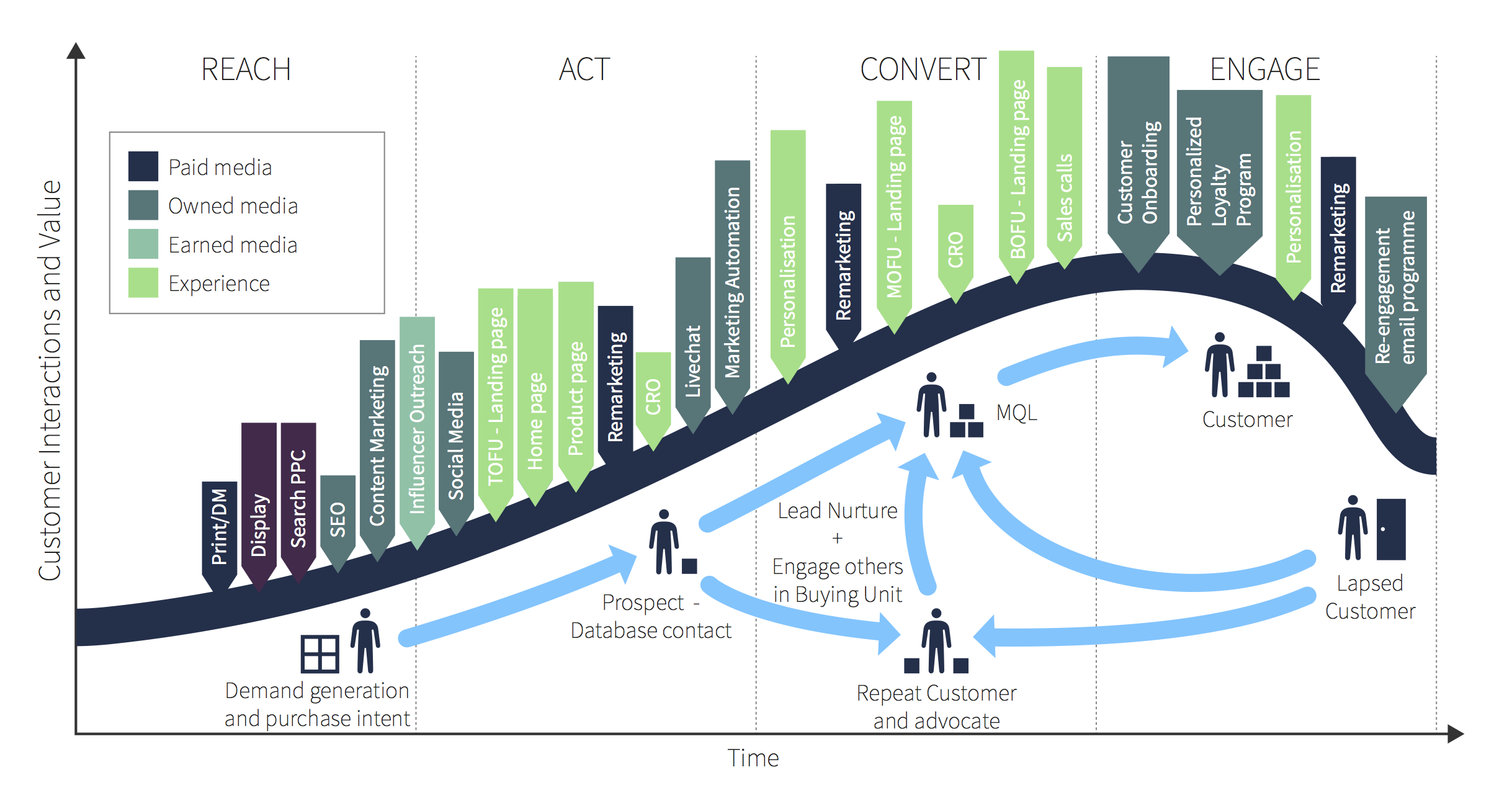
Groups work together closely by utilizing. For PR, this suggests understanding funnels and conversions. For marketing, it implies valuing trust and long-term track record. Marketing describes what you provide; PR brings outdoors recognition through media protection and influencer mentions that make marketing more believable. Individuals trust what others state about a brand name far more than top quality messages.

Latest Posts
Writing High-Impact Media Pitches That Deliver Results
Streamlining the Creative Process for Local Marketing Teams
How Public Relations Influences SEO and Trust